The most common signs you need a breast reduction are chronic back, neck, and shoulder pain, deep grooves where bra straps dig into your shoulders, and recurring skin irritation underneath the breasts.
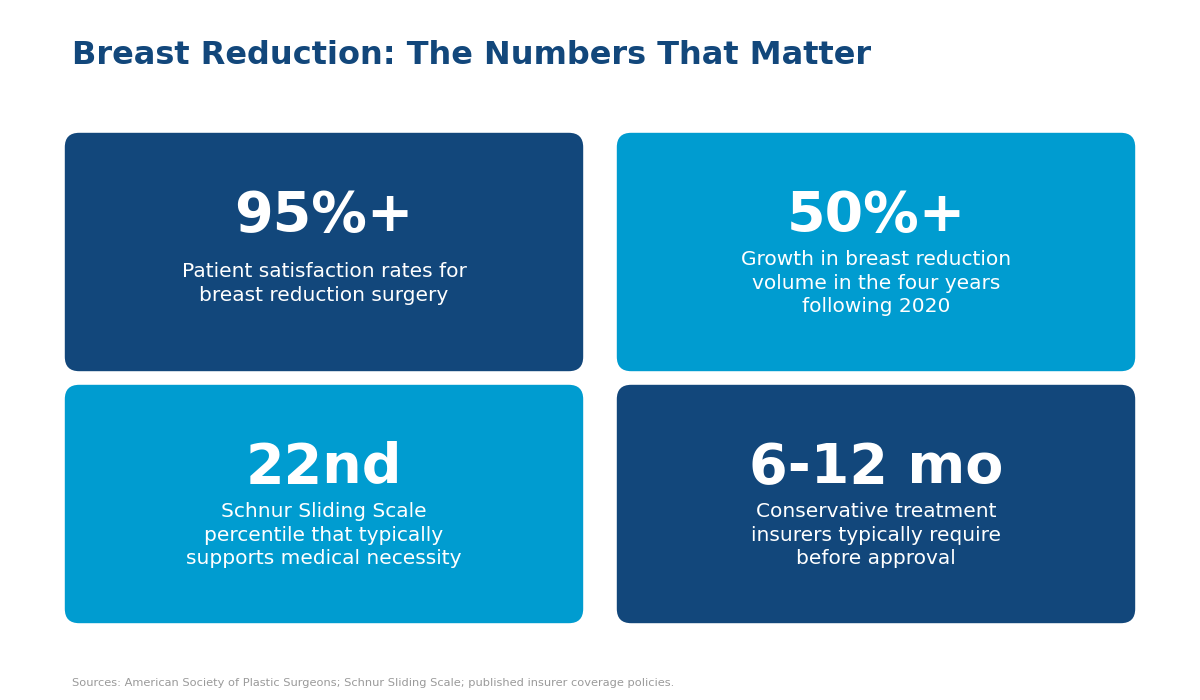
If you’ve spent years adjusting your clothing, your posture, or even the activities you enjoy to accommodate the weight of your breasts, you may be living with symptoms that have a real surgical solution. Breast reduction surgery is one of the most satisfying procedures in plastic surgery, with patient satisfaction rates consistently above 95 percent. Recognizing the signs that surgery could help is the first step toward relief.
According to the American Society of Plastic Surgeons, breast reduction volume has increased by more than 50 percent in the four years following 2020. That growth reflects a broader awareness that overly large breasts are often a medical issue, not just a cosmetic concern. Here are the signs that most often bring women into a breast reduction consultation, and what relief can look like.
Physical Signs You May Need a Breast Reduction
The most common physical signs of macromastia (the medical term for disproportionately large breasts) often become so routine that you stop thinking of them as unusual. If several of the signs below sound familiar, it’s worth a conversation with an experienced surgeon.
Chronic Back, Neck, and Shoulder Pain
This is the most frequent symptom we see. The weight of heavy breasts pulls the body forward, straining the muscles of the upper back, neck, and shoulders. Over time, the pain becomes constant and stops responding to stretching, physical therapy, or over-the-counter pain relievers.
Deep Bra Strap Grooves and Skin Irritation
If your bra straps leave painful grooves in your shoulders, that’s a clear sign your bras are working harder than they were designed to. Many women also develop persistent rashes, intertrigo, or fungal infections beneath the breast fold, where moisture and friction create an environment that’s difficult to manage even with diligent skin care.
Difficulty Exercising or Staying Active
Heavy breasts can make running, jumping, and even brisk walking uncomfortable or painful, no matter how supportive the sports bra. When breast size keeps you from maintaining an active lifestyle, it isn’t just an inconvenience. It affects long-term health, weight management, and emotional well-being.
Posture Problems and Arm Numbness
Compensating for the weight of large breasts often produces rounded shoulders and forward head posture, which can compress nerves in the upper back and neck. Some patients experience tingling or numbness in their hands and fingers as a result. If a healthcare provider has told you that your posture is contributing to nerve issues, breast size may be a factor worth evaluating.
Sleep Disturbance
Many women with large breasts report difficulty finding a comfortable sleeping position. Pressure on the chest, neck strain, or breathing discomfort can interrupt sleep and contribute to chronic fatigue. Better sleep is one of the first benefits patients notice after surgery.
Emotional and Lifestyle Signs
The effects of disproportionately large breasts aren’t limited to physical discomfort. Many women describe significant emotional and social impacts that are just as valid as the physical symptoms, and often more difficult to talk about.
You may feel self-conscious about your appearance or frustrated by how difficult it is to find clothing that fits properly. Many patients describe feeling like their body draws unwanted attention, which affects confidence in social and professional settings. Others describe avoiding activities they once enjoyed, swimming, yoga, hiking, running, because their breast size makes participation uncomfortable or embarrassing.
If your breast size is shaping the way you live, the clothes you wear, the activities you pursue, the confidence you bring into a room, that emotional toll is a meaningful part of the conversation and deserves to be heard by an experienced surgical team.
When Is Breast Reduction Medically Necessary?
Breast reduction can be classified as medically necessary. Insurance providers and surgeons use specific clinical criteria to determine when surgery is deemed medically necessary.
Most plans look for documented symptoms that interfere with daily life, chronic pain, rashes that don’t resolve with conservative care, posture-related nerve symptoms, or documented physical limitations. Many insurers also reference the Schnur Sliding Scale, which compares the projected weight of breast tissue removed (in grams) to your total body surface area. A score above the 22nd percentile typically supports medical necessity.
Even if your symptoms don’t reach the insurance threshold, breast reduction can still provide meaningful relief. Many patients choose to move forward as a self-pay procedure because the quality-of-life improvement is so significant.
Does Insurance Cover Breast Reduction?
In many cases, yes. Insurance providers cover breast reduction when it is documented as medically necessary, typically requiring 6 to 12 months of conservative treatment first.
Common requirements include documented physical therapy or chiropractic care, dermatological treatment for under-breast rashes, evaluation of pain by your primary care physician, and documentation that supportive bras, weight management, and other conservative measures have not provided adequate relief. Major insurers like Aetna and UnitedHealthcare publish detailed coverage policies you can review before pursuing surgery.
Many insurers also require a minimum amount of breast tissue to be removed for coverage to apply, calculated using your body surface area. Our patient coordinators in Duluth help patients navigate the documentation process, gather required reports, and submit pre-authorization paperwork.
What Recovery and Relief Look Like
Recovery from breast reduction surgery typically takes several weeks, though most patients feel well enough to return to light daily activities within the first one to two weeks. You’ll wear a supportive surgical bra during the initial healing phase, and your surgeon will provide specific guidelines about when to gradually resume exercise and more strenuous activities.
Many patients notice improvement in their back and shoulder pain almost immediately, even before the swelling has fully resolved. Sleep quality often improves within the first few weeks. Your final breast shape will continue to settle and refine over the course of several months.
Scarring is part of any surgical procedure. Your surgeon will use techniques designed to minimize scar visibility, and most scars fade significantly over the year following surgery. Most patients tell us the relief and shape improvement far outweigh any concerns about scarring. For tips on getting comfortable in the early weeks of recovery, see our guide on How to Sleep After Breast Reduction.
Schedule a Breast Reduction Consultation in Duluth
If you recognize yourself in the signs above, it may be time to take the next step. Relief is possible, and it starts with a conversation.
At Northland Plastic Surgery, our experienced surgeons in Duluth have performed countless breast reductions with both comfort and a beautiful, natural result in mind. During your consultation, we’ll listen to your concerns, evaluate your anatomy, and help you understand your options, including whether insurance is likely to cover your procedure. Your well-being is our priority, and we’re here to help you feel like yourself again.