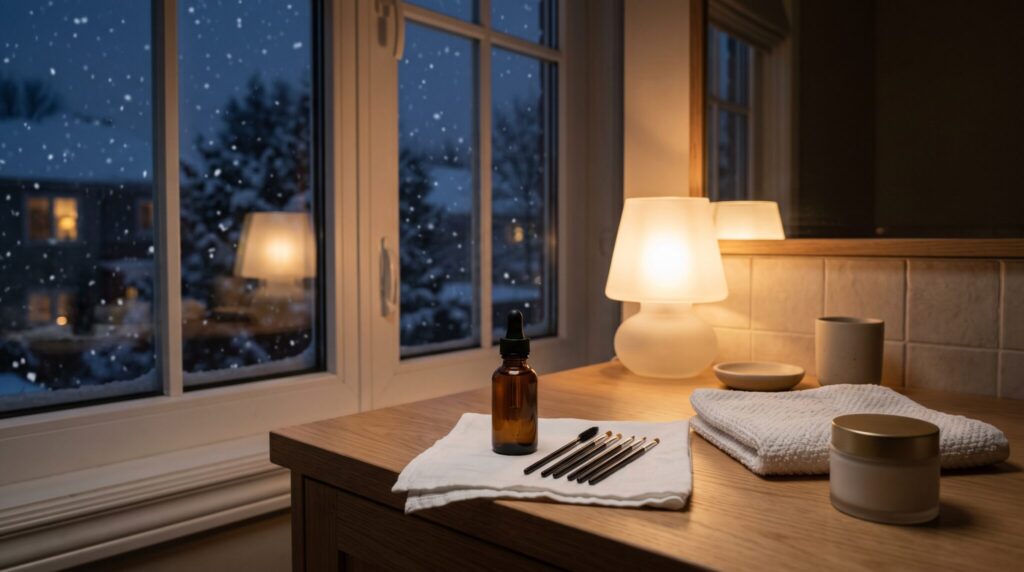
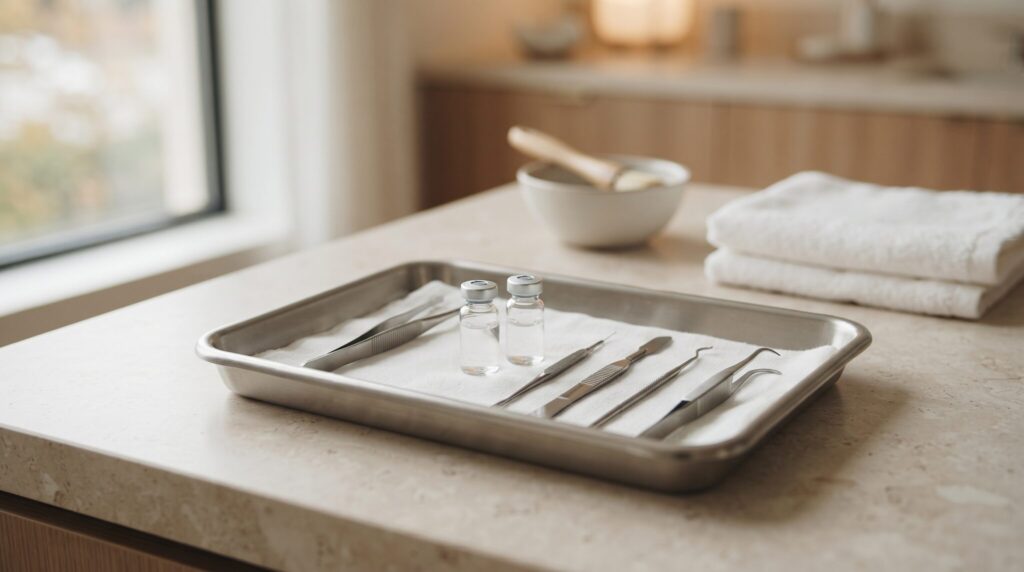
After a procedure that tightens the abdominal wall, your usual sleeping habits will likely need a temporary overhaul. Finding the right position is not just about comfort; it is vital for reducing the risk of complications and ensuring your body heals properly. In this guide, we will cover everything from the basics of the procedure to the best positions and environments to sleep after a tummy tuck for a restorative recovery.
What is a Tummy Tuck?
A tummy tuck, or abdominoplasty, is a surgical procedure designed to improve the shape and tone of the stomach area by removing excess skin and fat. Beyond surface-level changes, the surgery often involves strengthening the underlying abdominal wall musculature.
During a full tummy tuck, an incision is typically made low on the abdomen, allowing the surgeon to pull the skin down, remove the excess, and repair muscles that may have been stretched by pregnancy or significant weight fluctuations. This internal muscle repair, often called diastasis recti repair, is what creates a truly flat and firm result. The American Society of Plastic Surgeons provides detailed patient resources on the procedure and recovery expectations. Because this procedure fundamentally alters the tension of your midsection, your body requires a specific “flexed” posture during the initial weeks of healing to protect these new contours.
Why Sleep is Essential for Tummy Tuck Muscle Repair?
Quality rest is essential after surgery because it allows your body to concentrate its energy on the recovery process. For tummy tuck patients, deep sleep is particularly important for the repair of the abdominal fascia and muscles.
When your muscles are surgically repositioned from a loose state to one that is flat and tight, they are under a new kind of tension. Moving or sleeping in a way that stretches this area can strain the internal sutures and potentially compromise your final aesthetic result. By maintaining a specific “jackknife” or flexed position while you sleep, you minimize this tension, allowing the muscle repair and the incision to heal without unnecessary stress.
The Best Position to Sleep After a Tummy Tuck
The “gold standard” for sleeping after a tummy tuck is on your back with your upper body and knees slightly elevated. This creates a gentle “V” shape, often referred to as the “beach chair” position, which is critical for reducing pressure on your abdominal area.
Using a Power Recliner for Maximum Support
Many patients find that sleeping in a recliner for the first one to two weeks is significantly more comfortable than a bed. A recliner naturally maintains the recommended angle and prevents you from accidentally rolling onto your side or stomach during the night.
Creating a Pillow Fortress in a Standard Bed
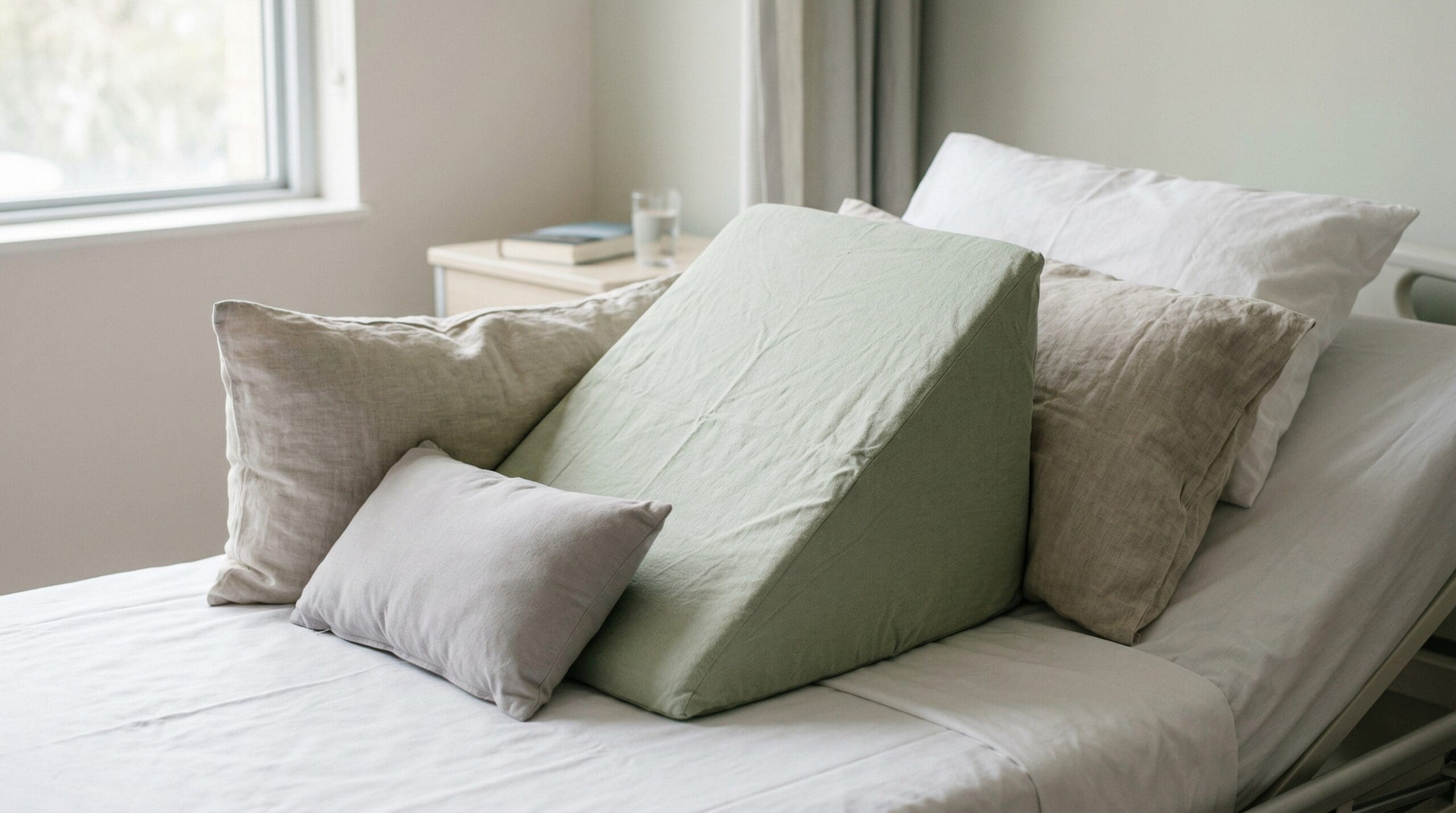
If a recliner isn’t an option, you can achieve the same effect in a regular bed using a “pillow fortress”.
- Torso Elevation: Use two or three pillows (or a wedge pillow) to elevate your upper body at a 30 to 45-degree angle.
- Knee Support: Place pillows under your knees to maintain a slight bend in your hips, which further reduces stress on the abdominal muscles.
- Side Bolsters: Placing smaller pillows on your sides can act as a physical reminder to your body to stay on your back while you sleep.
Timeline: When Can You Return to Normal Sleeping Habits?
While everyone heals at a different pace, most patients follow a general transition timeline for their sleep after a tummy tuck. The Mayo Clinic’s tummy tuck guide outlines the full recovery timeline in detail:
- Weeks 1-2: Strict back-sleeping in an elevated position is non-negotiable to protect the surgical site while it is most vulnerable.
- Weeks 3-4: As initial stiffness and swelling subside, your surgeon may allow you to reduce the angle of elevation. Some patients may begin a gradual transition to side-sleeping at this stage, but only with explicit approval.
- Weeks 6+: Most patients can comfortably return to their preferred sleeping positions, including side or stomach sleeping, by the six-week mark.
Preparing Your “Recovery Nest” Before Surgery
The best way to ensure good rest is to set up your recovery area before your surgery date.
- Accessibility: Keep essential items—water, pain medications, your phone, and the TV remote—within easy reach so you don’t have to twist or strain your core to grab them.
- Cleanliness: Have a few sets of loose, comfortable pajamas and extra pillowcases ready.
- Comfort: Ensure your room is kept cool and dark, as this helps signal to your body that it is time for deep, restorative rest.
Managing Post-Op Discomfort for Better Rest
Beyond your position, several factors can influence the quality of your sleep. Your compression garment is a key tool; it helps manage swelling and provides a sense of “security” for your tender abdominal area. While it may feel tight at first, many find the compression actually helps them feel more comfortable during rest.
Additionally, staying hydrated and taking short, gentle walks around your house during the day can help prevent the restlessness that often comes with bed rest. This light movement also improves circulation, which is essential for preventing blood clots.
Understanding the Tummy Tuck Procedure and Longevity
The discipline you show during your recovery, particularly in how you sleep and move, directly impacts the longevity of your results. While a tummy tuck provides a dramatic transformation, subsequent weight gain or improper healing can affect the final look. By following your surgeon’s specific sleep instructions, you are protecting your surgical investment and ensuring that your newly tightened abdominal wall settles into its best possible shape.
Consult with a Duluth Tummy Tuck Surgeon
Quality sleep is the foundation of a safe and effective recovery. While back-sleeping in a reclined position might feel like a major adjustment, it is a temporary phase that leads to a lifetime of improved confidence.
If you are ready to take the next step in your body contouring journey, the experienced team at Northland Plastic Surgery is here to guide you through every stage—from your initial questions to your final post-op checkup. Contact us today to schedule a consultation with a premier Duluth tummy tuck surgeon and start planning your personalized path to a more vibrant you.