
Gynecomastia Surgery: What to Expect Before and After
Gynecomastia, the benign enlargement of male breast glandular tissue, is a common condition that affects at least 30% of men during their lifetime. It often causes significant anxiety, social discomfort, and self-consciousness. For men who struggle with the appearance of enlarged breasts, seeking treatment is a critical step toward restoring physical confidence and emotional well-being.
Gynecomastia surgery, or male breast reduction, is a plastic surgery procedure designed to permanently address this condition. It involves the surgical removal of excess glandular tissue and fat, and sometimes redundant skin, to restore a flat, firm, and masculine chest contour. The success of this transformative procedure relies equally on the skill of the surgeon and the patient’s commitment to meticulous preparation and recovery protocols. This guide outlines what to expect at every stage of the process, setting clear and realistic gynecomastia surgery expectations for a safe and satisfying outcome.
Understanding Male Breast Enlargement
Before correction can begin, it is essential to first understand the nature and cause of male breast enlargement, as this directly dictates the surgical plan.
Hormonal Causes and Differentiation
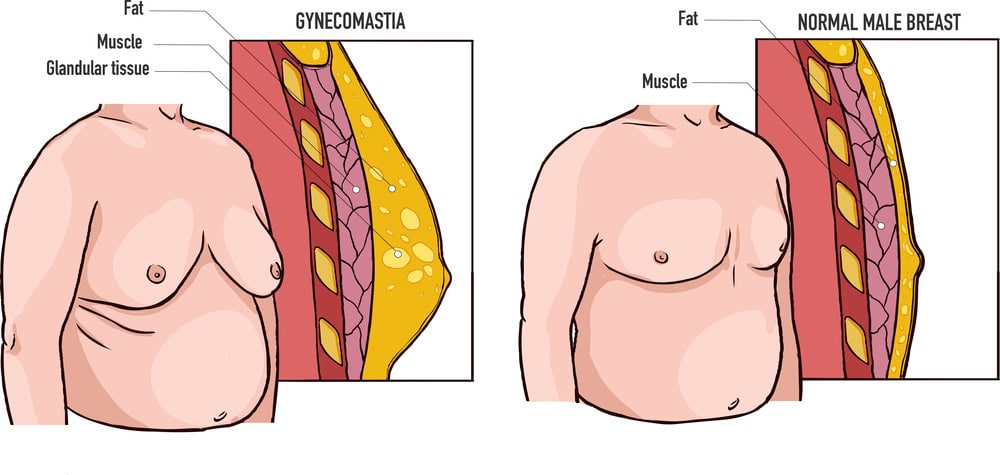
Gynecomastia is fundamentally linked to a hormonal imbalance, specifically an increased ratio of estrogen to androgen (testosterone). This imbalance can be caused by hormonal changes associated with aging, obesity (as fat tissue converts androgens into estrogen), or underlying health conditions (such as liver or kidney issues). Certain medications, including some antidepressants and antibiotics, as well as the misuse of anabolic steroids, are also common contributors. A thorough diagnostic evaluation is always required prior to surgery to ensure patient safety and overall health.
One of the most crucial elements of the initial consultation is differentiating between true gynecomastia and pseudogynecomastia, as this distinction determines the appropriate surgical technique:
| Feature | True Gynecomastia (Glandular) | Pseudogynecomastia (Adipose) |
|---|---|---|
|
Primary Composition |
Excess glandular tissue (rubbery, firm mass) |
Excess fat tissue (soft, diffuse fat deposition) |
|
Response to Diet/Exercise |
Generally resistant to weight loss efforts |
May improve with significant weight loss and exercise |
|
Surgical Correction |
Requires Excision (sometimes combined with Liposuction) |
Often corrected solely with Liposuction |
The surgeon also assesses the severity of the condition, known as clinical grading. The degree of enlargement and the amount of excess skin (laxity) directly impact the complexity of the procedure and the necessary scar size. Patients presenting with marked excess skin must be prepared for more extensive surgical excision, which inherently results in a more conspicuous scar to achieve a firm, masculine chest contour.
What Happens During Surgery
Gynecomastia correction is a highly individualized outpatient procedure performed under anesthesia. The surgeon selects techniques based precisely on the patient’s underlying composition.
Incision Strategy and Techniques
Incision planning is meticulous, designed to minimize scar visibility by placing them in inconspicuous locations, typically around the edge of the areola (peri-areolar incision). However, larger, more extensive surgeries requiring significant skin removal will necessitate longer incisions to effectively tighten the chest and potentially resize or reposition the nipple.
The two primary surgical techniques are:
- Liposuction: Used primarily to address excess fatty tissue and contour the perimeter of the chest.
- Excision: Mandatory for removing dense, fibrous glandular tissue that cannot be suctioned away. Excision is also required when significant loose skin needs to be removed.
For most patients, optimal results are achieved by combining both liposuction and excision. This combination allows the surgeon to definitively remove the central glandular core while sculpting the surrounding fat for a flat, natural, and masculine appearance.
Preparing Mentally and Physically
Successful outcomes are intrinsically linked to the patient’s commitment to meticulous preparation protocols before the procedure.
The Critical Pre-Operative Checklist
Patients must adhere to logistical and medical prerequisites:
- Complete all mandatory pre-operative medical tests (blood labs, EKG, etc.) and a final physical exam at least three days prior to surgery.
- Arrange for a responsible adult to provide transportation home and remain present for at least the first night, as anesthesia effects linger.
- Strictly abstain from eating or drinking for six hours before the operation.
- Do not apply lotions or deodorants to the chest area on the day of surgery.
Lifestyle and Medication Restrictions
Absolute compliance with lifestyle changes is essential for preventing wound healing complications:
- Nicotine Cessation: All forms of nicotine (cigarettes, vapes, chew, patches) must be strictly discontinued for a minimum of four weeks before and four weeks after surgery. Nicotine severely constricts blood vessels, compromising circulation and drastically increasing the risk of serious complications.
- Medication Avoidance: All non-steroidal anti-inflammatory drugs (NSAIDs) such as Ibuprofen and Naproxen, and all products containing aspirin, must be stopped one to two weeks before surgery, as they increase the risk of bleeding and bruising. Numerous herbal supplements (e.g., Fish Oil, Ginseng) that affect blood clotting must also be avoided for at least two weeks. Alcohol should be avoided for at least one week prior.
Mental Preparedness
Patients must acknowledge the emotional aspect of recovery. It is necessary to prepare for the initial post-operative phase where the chest will exhibit swelling and bruising; the final, refined contour will not be visible immediately. Patience through the early recovery weeks is essential to manage the initial visual shock and maintain a positive mindset.
Post-Op Healing Timeline
The recovery period typically spans four to six weeks. Adhering to post-operative instructions, particularly regarding compression and activity restrictions, is fundamental to minimizing complications and securing the final aesthetic results.
In the first few days, expect moderate discomfort, managed by prescribed medication. Light walking is strongly recommended almost immediately to aid circulation and prevent blood clots. Routine desk work can often resume after 48 hours to one week.
The specialized compression garment is crucial and must be worn almost continuously for four to six weeks. Its constant pressure stabilizes tissues, minimizes swelling, and promotes optimal skin redraping. Patients must strictly avoid sleeping on their stomach for at least three weeks and must rigorously avoid all heavy lifting and strenuous activity during the initial two weeks.
By the third and fourth week, swelling significantly subsides. Moderate cardio (running, cycling) and lower body exercises are typically cleared if they do not strain the chest. The gradual reintroduction of upper body weightlifting and strenuous chest exercises (like bench presses) must be avoided for at least four to six weeks to protect the internal suture lines. When clearance is given, the return must be gradual, prioritizing light weights and perfect technique.
The final aesthetic result generally emerges around the six-week mark. Incisions must be protected from sun exposure for a full twelve months to minimize hyperpigmentation.
Building Confidence After Surgery
The psychological transformation achieved by gynecomastia correction is often the most significant outcome.
Overcoming the Hidden Burden
For men, gynecomastia is a source of profound emotional distress, low self-esteem, and social withdrawal. They often feel embarrassed in social situations (like the beach or locker rooms) and resort to constantly concealing their body under loose clothing, which restricts social participation.
Clinical and Psychological Benefits
The surgery provides validated psychosocial relief, leading to substantial improvements in self-esteem and quality of life. Post-surgery, men report:
- Higher self-confidence in social and intimate situations.
- A marked reduction in anxiety related to their appearance.
- A renewed sense of self-worth and empowerment.
- The freedom to engage fully in physical and social activities they once avoided, such as swimming or wearing fitted shirts.
The ability to move past the constant self-doubt fosters healthier relationships and promotes a more active lifestyle. Many patients also naturally adopt a better, taller posture after surgery, visually reinforcing the psychological change and encouraging a long-term commitment to fitness to maintain the sculpted physique.
Conclusion
Gynecomastia surgery is a medically beneficial procedure that offers comprehensive relief, delivering a permanently flat and masculine chest contour. Achieving the expected transformative results requires an unwavering commitment from the patient to the detailed preparation and recovery protocols, especially the strict cessation of nicotine and the disciplined use of the compression garment.
The ultimate value of this surgery is emotional liberation. If the distress of male breast enlargement is impacting your quality of life, scheduling a confidential consultation with a plastic surgeon is the essential first step toward realizing the full potential of these transformative gynecomastia surgery expectations.
If you or someone you know need gynecomastia correction surgery, please reach out to schedule a consultation with one of our experienced plastic surgeons.
FAQs
Gynecomastia is caused by an imbalance between estrogen and testosterone, leading to the overdevelopment of glandular breast tissue. It can result from natural hormonal changes, certain medications, steroid use, obesity, or underlying health conditions. Proper diagnosis is essential to distinguish true gynecomastia (glandular tissue) from pseudogynecomastia (fat deposits), as treatment differs for each.
Gynecomastia surgery is typically an outpatient procedure performed under anesthesia. It usually combines liposuction to remove excess fat with excision of firm glandular tissue. Incisions are made discreetly around the areola to minimize visible scarring. For larger cases, additional skin tightening or nipple repositioning may be necessary to achieve a flat, masculine chest contour.
Most patients return to light activities within 3–5 days and to desk work within a week. A compression garment must be worn for 4–6 weeks to reduce swelling and support skin retraction. Strenuous chest workouts and heavy lifting should be avoided for at least 4–6 weeks to protect healing tissues. Final results are typically visible by the six-week mark, with continued improvement for several months.
Yes. Once the glandular tissue is removed, gynecomastia rarely returns—unless new hormonal imbalances, steroid use, or certain medications trigger recurrence. Maintaining a stable weight, avoiding anabolic steroids, and following a healthy lifestyle help ensure long-lasting, natural-looking results.
Beyond physical improvement, patients report a major boost in self-confidence and freedom from social anxiety. The procedure often helps men feel comfortable exercising, swimming, and wearing fitted clothing again. Many also experience better posture, improved mental health, and renewed motivation to maintain fitness after surgery.