
Breast Augmentation vs Implants: What You Need to Know
Breast augmentation vs implants is a common point of confusion for many considering cosmetic surgery. Breast augmentation remains one of the most popular cosmetic procedures in the United States, with nearly 300,000 surgeries performed by ASPS Member Surgeons in 2022. In 2023, women aged 30–39 accounted for over a third of the 304,000 breast augmentation procedures, reflecting a growing demand for breast enhancement options.
However, many individuals researching breast augmentation vs implants find themselves wondering about the difference. While the terms are often used interchangeably, they are not the same thing.
Understanding Breast Augmentation
Breast augmentation is a surgical procedure designed to enhance the size, shape, and overall appearance of the breasts. It is one of the most performed cosmetic surgeries, helping individuals achieve their desired breast contour through different techniques. While many associate breast augmentation with implants, the procedure can also involve fat transfer, depending on a patient’s goals and anatomy.
Implant-based breast augmentation remains the most widely used method. This approach involves placing either saline or silicone implants to add volume and improve symmetry. Implants come in various sizes, shapes, and profiles, allowing for a customized result tailored to each patient’s preferences.
Fat transfer breast augmentation, also known as autologous fat grafting, offers an alternative for those seeking a more natural enhancement. This technique involves liposuction to remove fat from other areas of the body, which is then purified and injected into the breasts. While fat transfer provides a subtle increase in volume, it may not achieve the same level of enhancement as implants.
A consultation with on of our board certified / board eligible plastic surgeons can help determine the best approach to achieve natural, proportionate results. If you are interested in breast augmentation contact us today to schedule your consultation.
What Are Breast Implants?
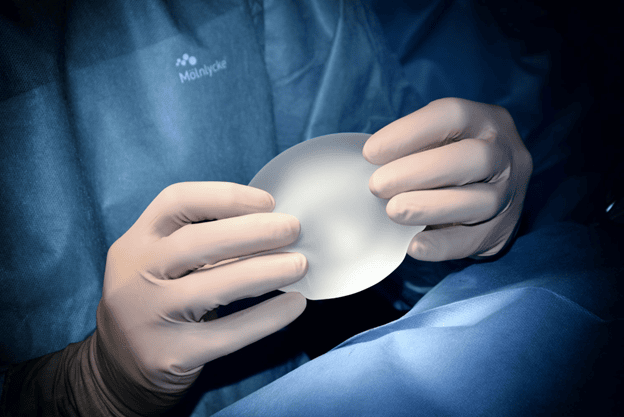
Breast implants are medical devices designed to enhance the size, shape, and symmetry of the breasts. Used in breast augmentation procedures, they provide long-lasting results and allow patients to achieve a fuller, more contoured appearance. Breast implants come in different types, each offering unique benefits depending on a patient’s aesthetic goals and body structure.
The two primary types of breast implants are saline and silicone.
Saline implants are filled with sterile saltwater and are inserted into the breast pocket empty before being filled to the desired size. They offer a firmer feel and are typically more affordable than silicone options. In the rare case of a rupture, the saline is naturally absorbed by the body.
Silicone implants, on the other hand, are pre-filled with a cohesive gel that closely mimics the feel of natural breast tissue. Many patients prefer silicone implants due to their softer, more natural appearance. Advances in implant technology have also introduced highly cohesive silicone gel implants, sometimes called “gummy bear” implants, which maintain their shape even if ruptured.
Choosing the Right Procedure
When considering breast enhancement, understanding the differences between breast augmentation vs implants is essential for making the right decision.
For patients looking for a significant increase in volume or a more defined shape, implant-based breast augmentation is often the preferred choice. Saline and silicone implants offer different levels of firmness and natural feel, allowing for a customized result. Patients with minimal existing breast tissue may benefit more from silicone implants, which provide a softer, more natural look.
Fat transfer augmentation, on the other hand, is ideal for those seeking a subtle enhancement. This option is best suited for patients with enough excess fat in other areas of the body, such as the abdomen or thighs, to harvest and transfer to the breasts. However, the amount of volume increase is limited compared to implants.
Medical history is also a key factor. Patients with certain health conditions, previous surgeries, or a predisposition to complications may have better outcomes with one method over the other.
Risks and Benefits
Breast augmentation offers individuals the opportunity to enhance their breast size and shape, utilizing methods such as implants or fat transfer. Each technique presents distinct advantages and potential complications.
Implant-Based Breast Augmentation
Benefits:
- Predictable Results: Implants provide a consistent and significant increase in breast volume, allowing for precise customization to achieve the desired size and contour.
- Long-Lasting: Modern implants are designed for durability, often lasting many years before replacement.
Risks:
- Capsular Contracture: This occurs when scar tissue forms tightly around the implant, leading to firmness or discomfort.
- Implant Rupture or Leakage: Implants may rupture over time, necessitating surgical intervention. Studies indicate that approximately 20% of women who underwent cosmetic implantation, and 50% of women who underwent breast reconstruction implantation, required surgical removal at the 10-year mark.
Fat Transfer Breast Augmentation
Benefits:
- Natural Feel and Appearance: Utilizing the patient’s own fat results in a more natural look and feel.
- Dual Benefit: This method combines liposuction from areas with excess fat, enhancing body contouring.
Risks:
- Fat Absorption: The body may reabsorb some of the transferred fat, potentially reducing the augmentation effect.
- Calcification and Cysts: There’s a possibility of developing calcifications or cysts.
Recovery and Aftercare
Recovery after breast augmentation depends on the technique used. Following proper aftercare ensures a smooth healing process and long-lasting results.
Implant-Based Breast Augmentation:
- Swelling, bruising, and discomfort last a few weeks.
- Light activities resume in about a week; avoid strenuous exercise for 4-6 weeks.
- Wear a compression garment or supportive bra to minimize swelling.
- Avoid sleeping on your stomach and follow incision care instructions.
Fat Transfer Augmentation:
- Swelling and bruising occur in both the liposuction and breast areas.
- Some transferred fat may be reabsorbed, requiring touch-up procedures.
- Recovery is typically shorter than with implants.
General Aftercare:
- Follow your surgeon’s instructions for medication and activity restrictions.
- Attend follow-up appointments to monitor healing.
- Watch for signs of complications like excessive swelling, pain, or infection.
FAQs on Breast Enhancement
How long do breast implants last?
Breast implants are not considered lifetime devices. While they are designed to be durable, factors such as implant type and individual circumstances can influence their longevity. Regular check-ups with your surgeon are essential to monitor implant integrity.
Can I breastfeed after breast augmentation?
Many women can successfully breastfeed after breast augmentation. However, the ability to breastfeed may be affected by factors such as the surgical technique used and the placement of the implants.
How long is the recovery period after breast augmentation?
Recovery times vary, but most patients can return to light activities within a week. Strenuous activities should be avoided for at least four to six weeks.
Conclusion
Choosing between breast augmentation and implants depends on your unique goals, body type, and lifestyle. At Northland Plastic Surgery, our board certified / board eligible plastic surgeons take the time to educate and guide you through every option, ensuring you make an informed decision that aligns with your vision.
With expert care and personalized treatment plans, Northland Plastic Surgery is dedicated to delivering beautiful, natural-looking results. Schedule a consultation today and take the next step in your breast enhancement journey with confidence.